
Uchinaaguchi: The Endangered Tongue of Okinawa
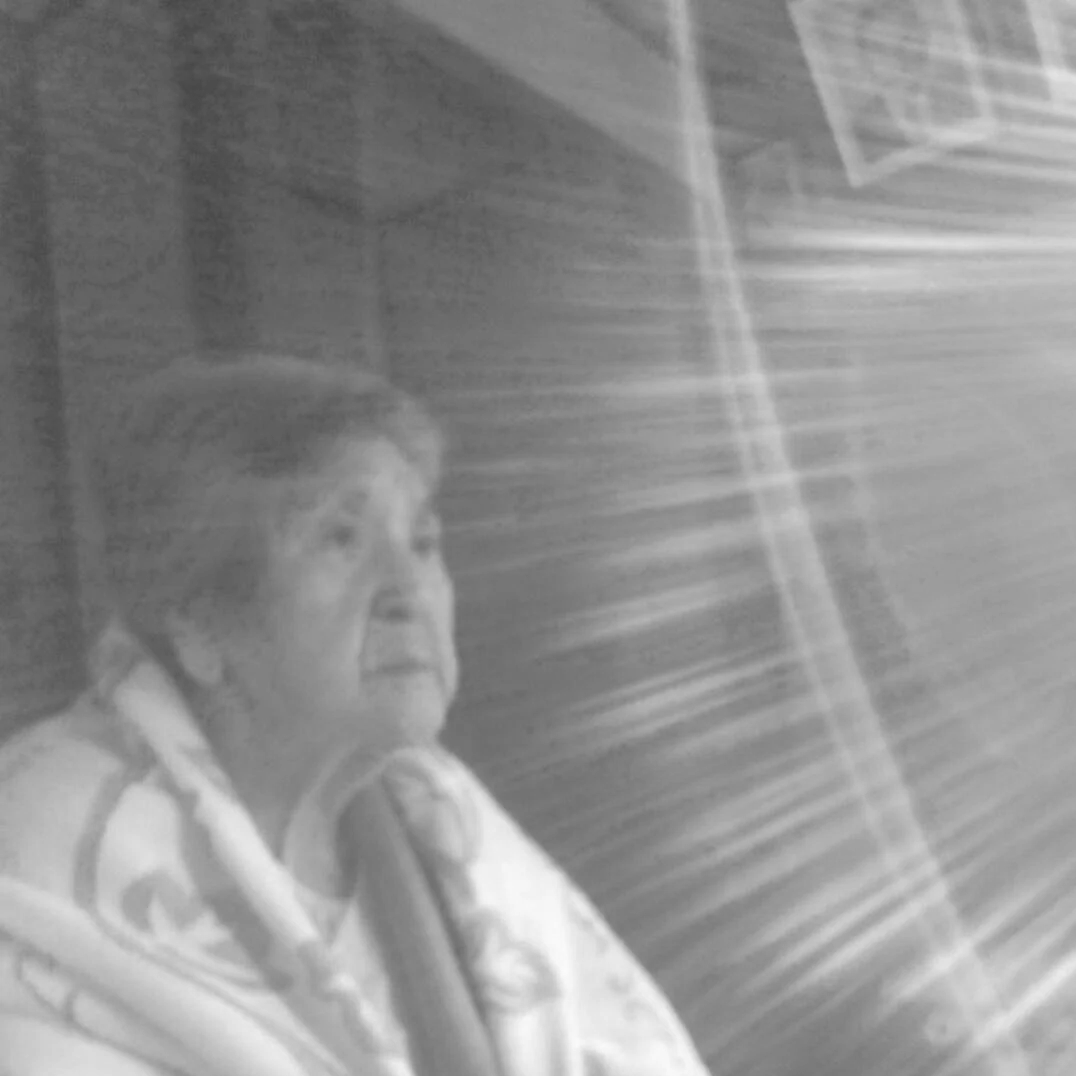
Kame Oba
Uchinaaguchi is the indigenous language of Okinawa Island. It belongs to the Ryukyuan language family, which also includes sister tongues spoken across the archipelago such as Miyako, Yaeyama, and Amami.
These are not dialects of Japanese, but distinct languages with their own grammar, vocabulary, and sound systems… many of which predate Japanese as we know it. Through centuries of trade and diplomacy, Uchinaaguchi absorbed elements from Chinese and Japanese, yet its roots remain deeply and distinctly Ryukyuan.
For generations, my ancestors spoke this language. But by the time I was born, Uchinaaguchi had nearly vanished from schools and public life, remembered mostly as the speech of grandparents. Today UNESCO classifies it as a critically endangered language.
After the annexation of the Ryukyu Kingdom in 1879, Japan began a campaign of forced cultural assimilation. That meant suppressing Ryukyuan identity including our languages.
I’ve read stories and heard accounts of how this played out:
Japanese was declared the only acceptable language in schools
Children were punished for speaking Uchinaaguchi forced to wear “dialect tags” (hōgen fuda, 方言札) around their necks
Jobs in public service or the military required fluency in Japanese
Uchinaaguchi was labeled “backward,” “uncivilized,” or simply erased
These policies carried through the Meiji era, into the wartime years, and even shaped Okinawa’s postwar reconstruction. By the 1970s, many families had stopped teaching the language altogether out of fear, shame, or the belief that it would hold their children back.
When Language is lost
Language is more than just words. It carries how we see the world. How we pray. How we relate.
With the loss of Uchinaaguchi, we also lost:
Oral histories told through layered idioms
Local names for plants, places, and healing practices
Songs and rituals tied to breath and tone
A different way of marking time, kinship, and relationship
To lose a language is to lose a rhythm of living and a way of being in communion with land and lineage.
Reclamation
Speaking the words of our ancestors, even with uncertainty, is a form of repair. Every phrase remembered, every song relearned, becomes a thread that reconnects what was broken. Language is not just sound. It is a vessel of memory, of belonging, of relational order. When we speak our ancestral tongues, we return to a way of being that honors connection between self and spirit, between family and land. Even a single phrase spoken with intention serves as an offering and opens a doorway.
May your heart become a doorway.
May the forgotten words find their way back through you.
May your tongue remember the songs of your grandmothers.
And may each word you speak in our mother tongue,
Bring honor to our ancestors.
-Jade
